Culture & Heritage
Miraculous Saints: Nicosia, Larnaca and Lefkara
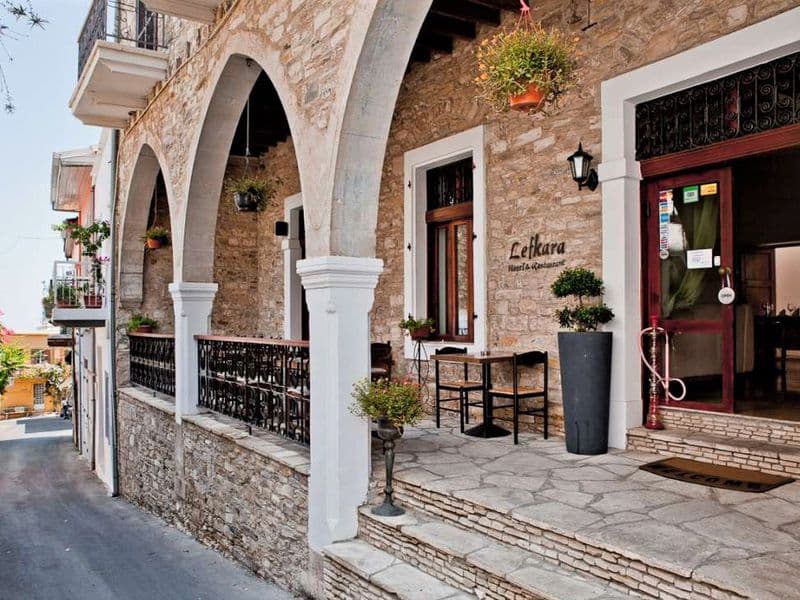
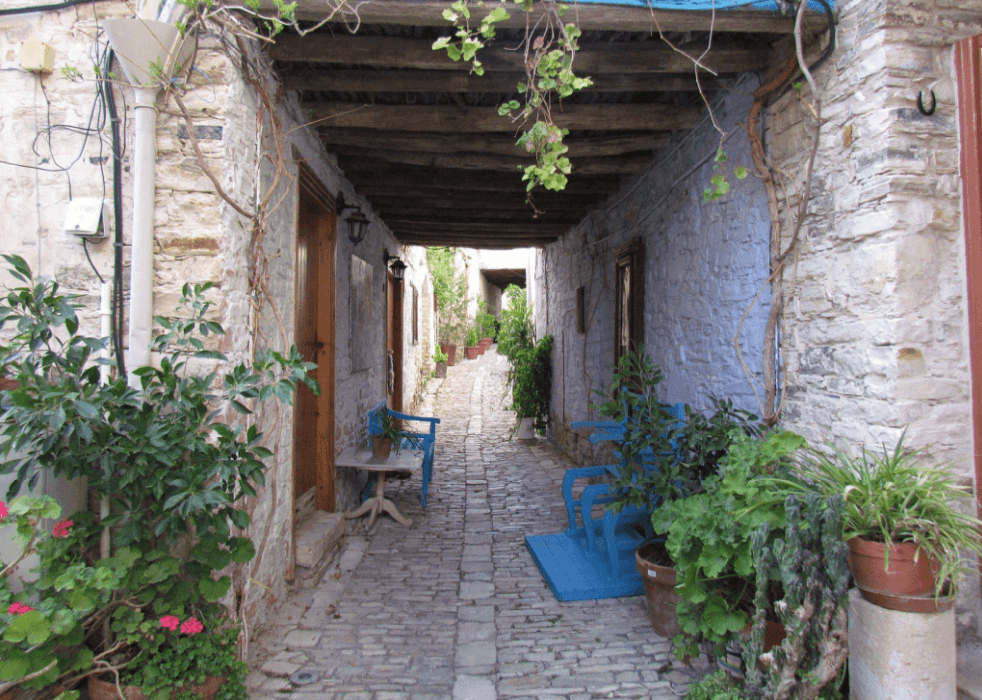
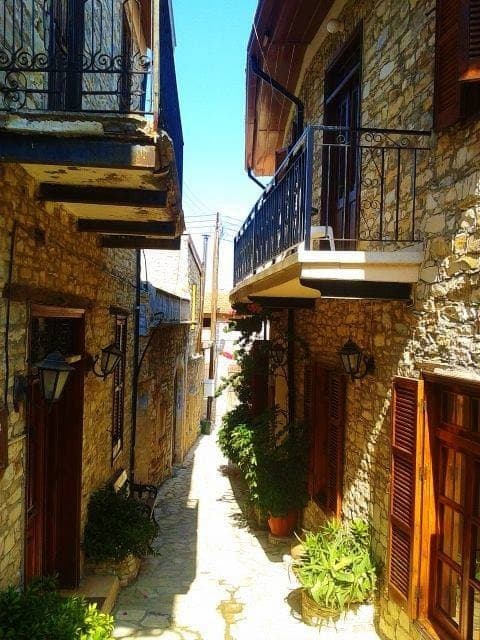
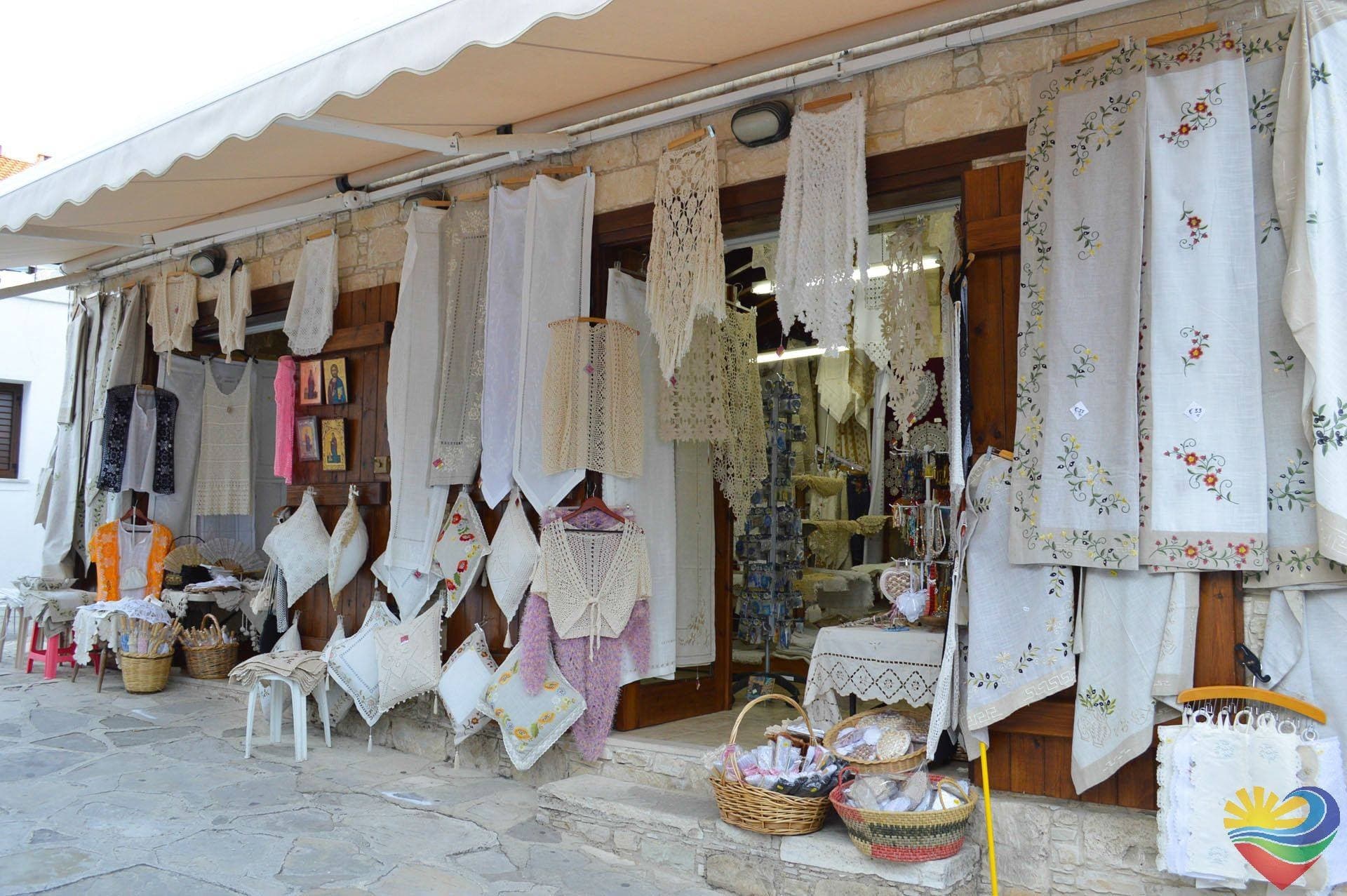
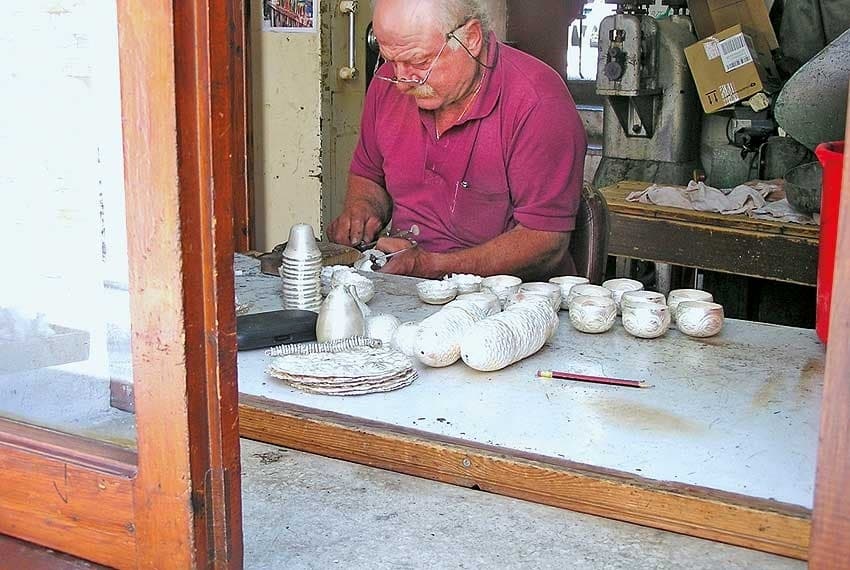
Our day begins with a journey to the village of Lefkara, famous for its lace, known as “lefkaritika”, and handmade silverware. According to local legend, Leonardo da Vinci himself visited the village and purchased an altar cloth for Milan Cathedral.
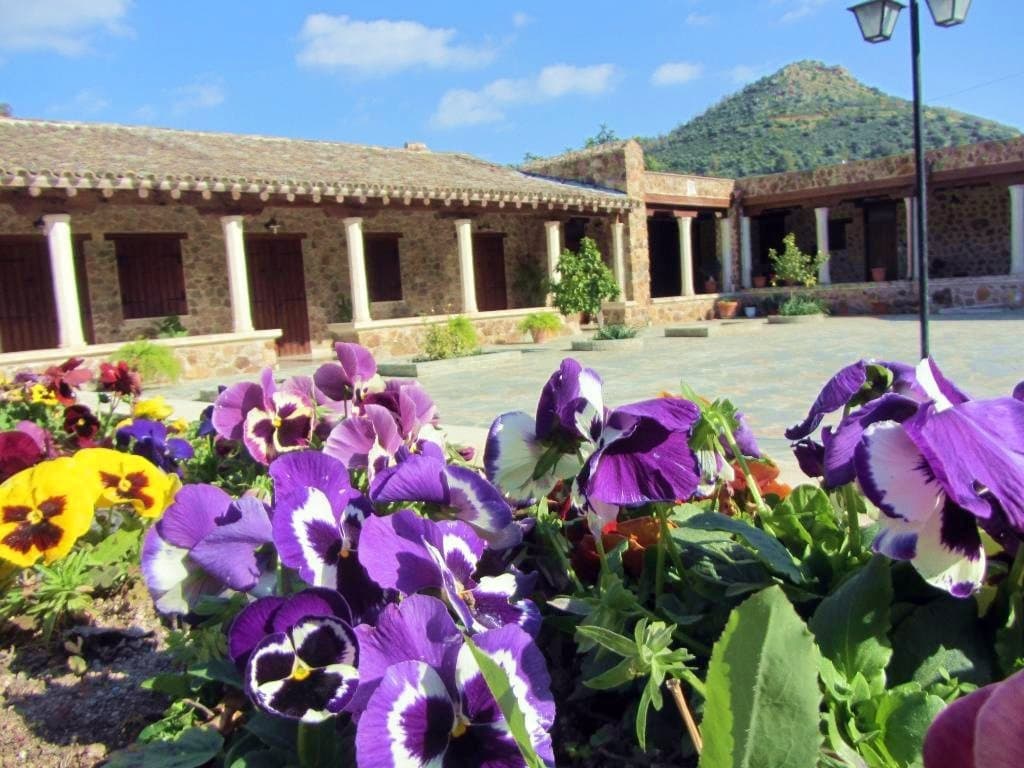
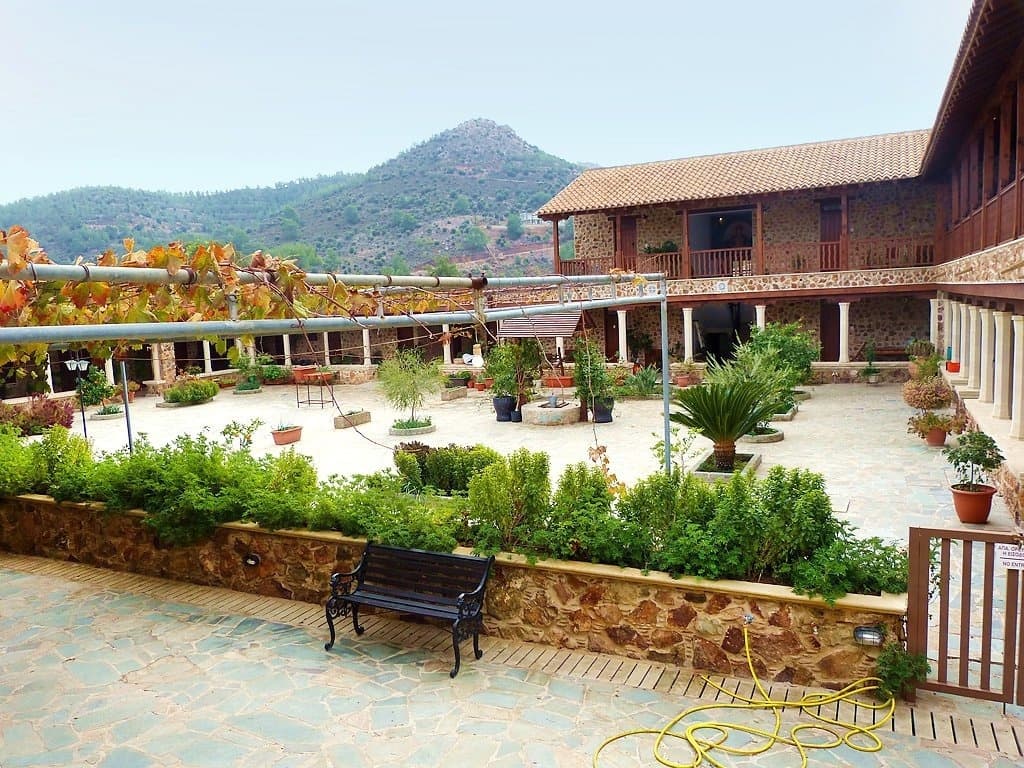
Travelling through pine-covered mountains, we will reach the Monastery of Saint Thecla, founded in the 4th century by Saint Helena, Equal-to-the-Apostles, mother of the Roman Emperor Constantine, during her stopover on the island of Cyprus while travelling from Jerusalem to Constantinople. As she prayed fervently in a secluded spot amid nature, a spring suddenly gushed forth from beneath her feet. Witnessing this miracle, Helena decided to build a monastery on that very spot and dedicate it to Saint Thecla. The water from the spring she discovered is believed to be healing, and the mud from the spring is especially prized for curing all manner of skin conditions.
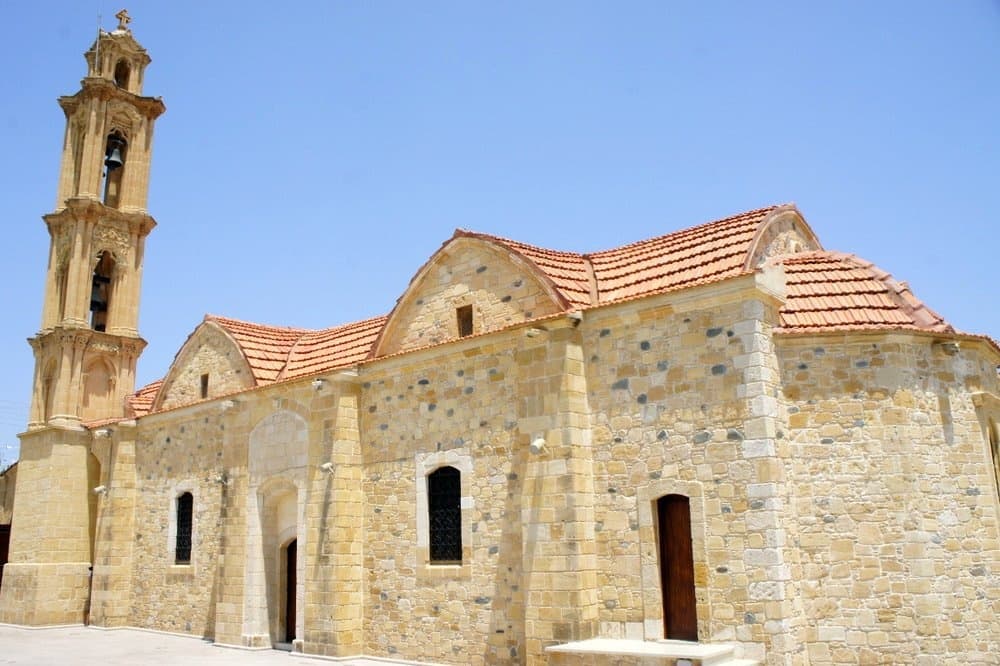
Our next stop will be the village of Menikou, where we will visit the Church of Saints Cyprian and Justina, dating back to the 13th century. There you can venerate the relics of Saints Cyprian and Justina, pay homage to the icon of the Holy Great Martyrs Cyprian and Justina, painted in 1613 by the icon painter David, and ask for healing. At your request, the priest will read a prayer against curses and the evil eye, which will protect you from the evil eye, curses and envy. At the holy spring by the church, you can collect holy water and wash your face and hands.
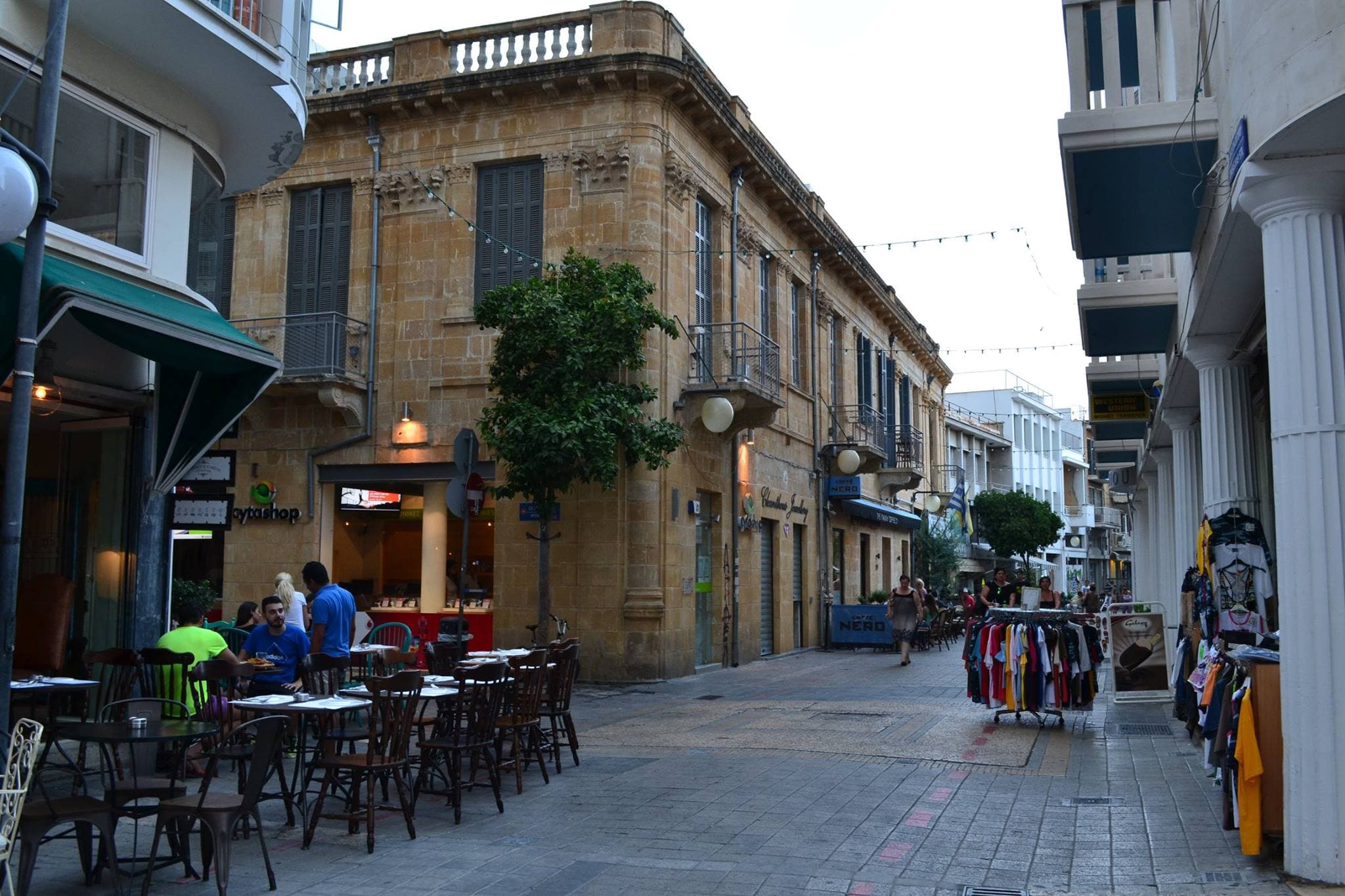
We will continue our journey to Nicosia. The world’s only divided capital city offers a striking contrast between the beauty of its old quarters, the carefree feel of its green boulevards, and the unspoken tension along the barbed wire that has split the city in two since the Turkish invasion of 1974. You can stroll through the narrow streets of the old Laiki Geitonia quarter along the Green Line that divides the capital. You will also have plenty of free time to have lunch in a café or tavern, soak up the old-world atmosphere and browse the many souvenir shops and stalls.
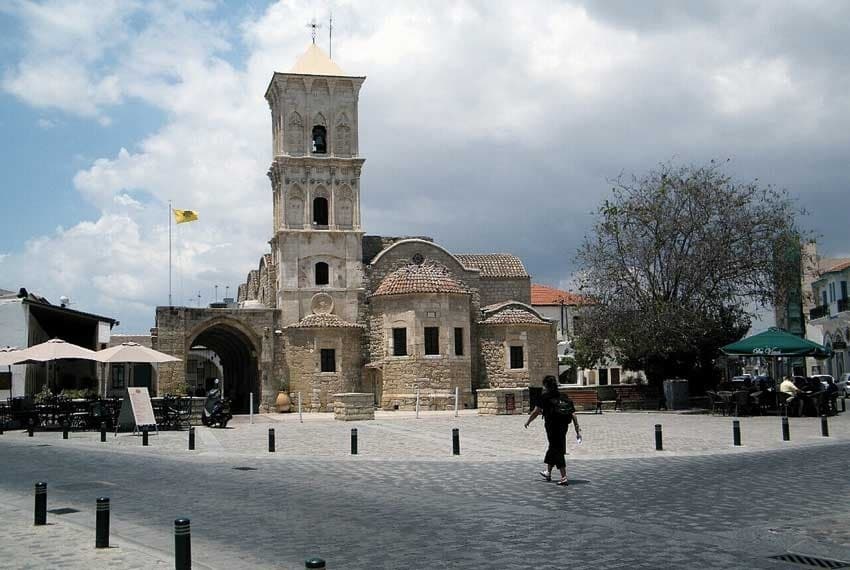
We will then head to Larnaca, where in the city centre we will visit the Cathedral of Saint Lazarus, located in the heart of the Old Town. The cathedral was built in the 9th century and is one of the oldest on Cyprus. You will be able to descend into the tomb and pay homage to the relics of the Saint, who lived here in the city of Kition after his miraculous resurrection by Jesus Christ.
DAYS OF OPERATION: Thursday
EXCURSION DURATION: from 9:00 to 16:00
MEALS: lunch is not included in the price
USEFUL TIP: We recommend bringing your passport, wearing comfortable shoes, and don’t forget your camera
INTERESTING FACT: Nicosia (Lefkosia) is mentioned as early as 7th-century BC Assyrian documents. At that time the city stood on the banks of the Pedieos River, surrounded by oak and poplar forests — in Greek, poplar is “lefkon”, hence “Lefkosia”, the city of poplars. It became the capital under the Byzantine emperors and was renamed Nicosia in honour of the city’s patron, St Nicholas.
Currently only available on a private, individual basis
Gallery

Do You Have Any Questions?
Leave a request and our team will contact you shortly